Master of the Nets Garden
Wangshi Yuan · 网师园
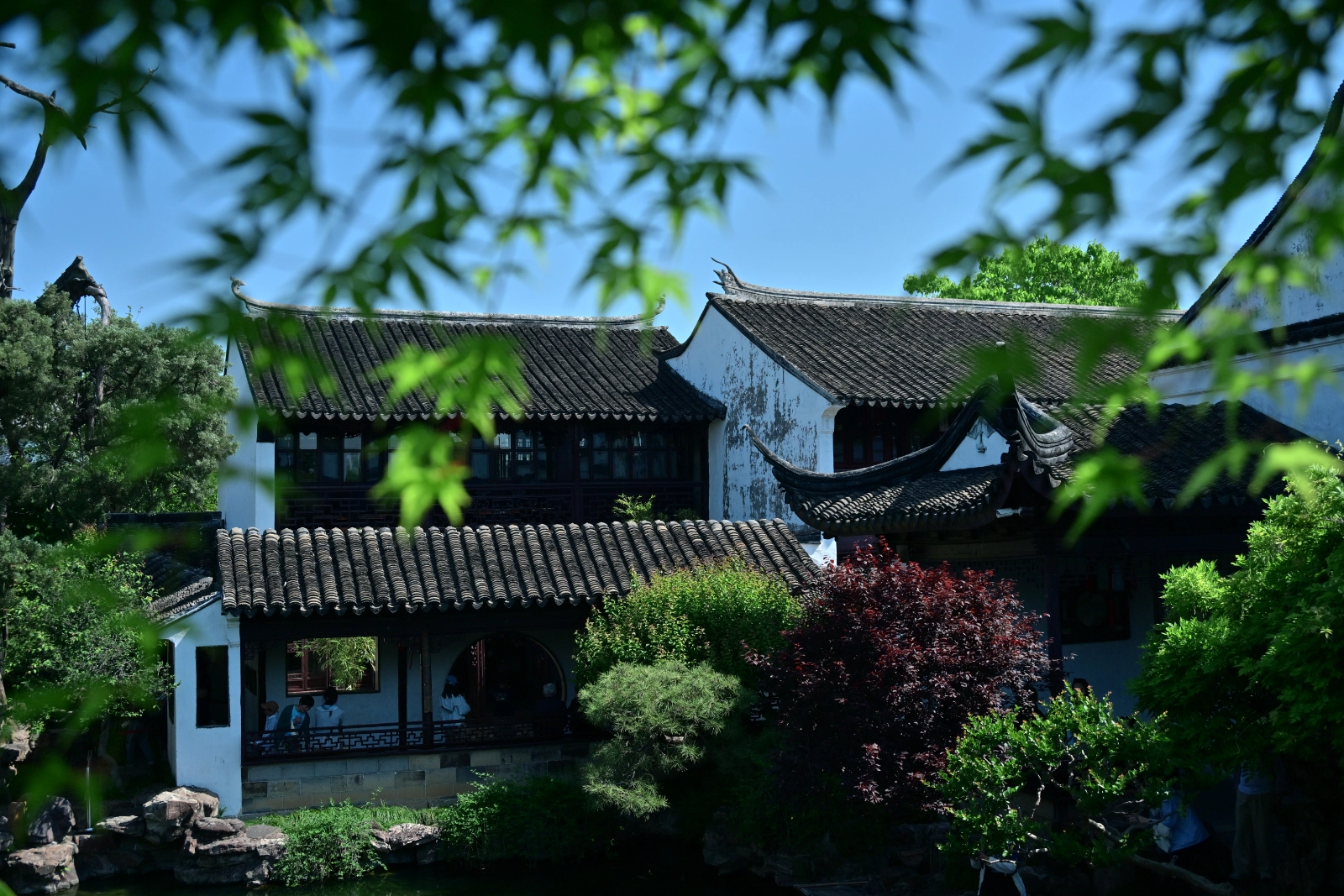
Though small in footprint, the Master of the Nets Garden is often called a summation of Suzhou taste: residence and garden interlock; pond, corridors, and pavilions stack into shifting vignettes without wasted ground.
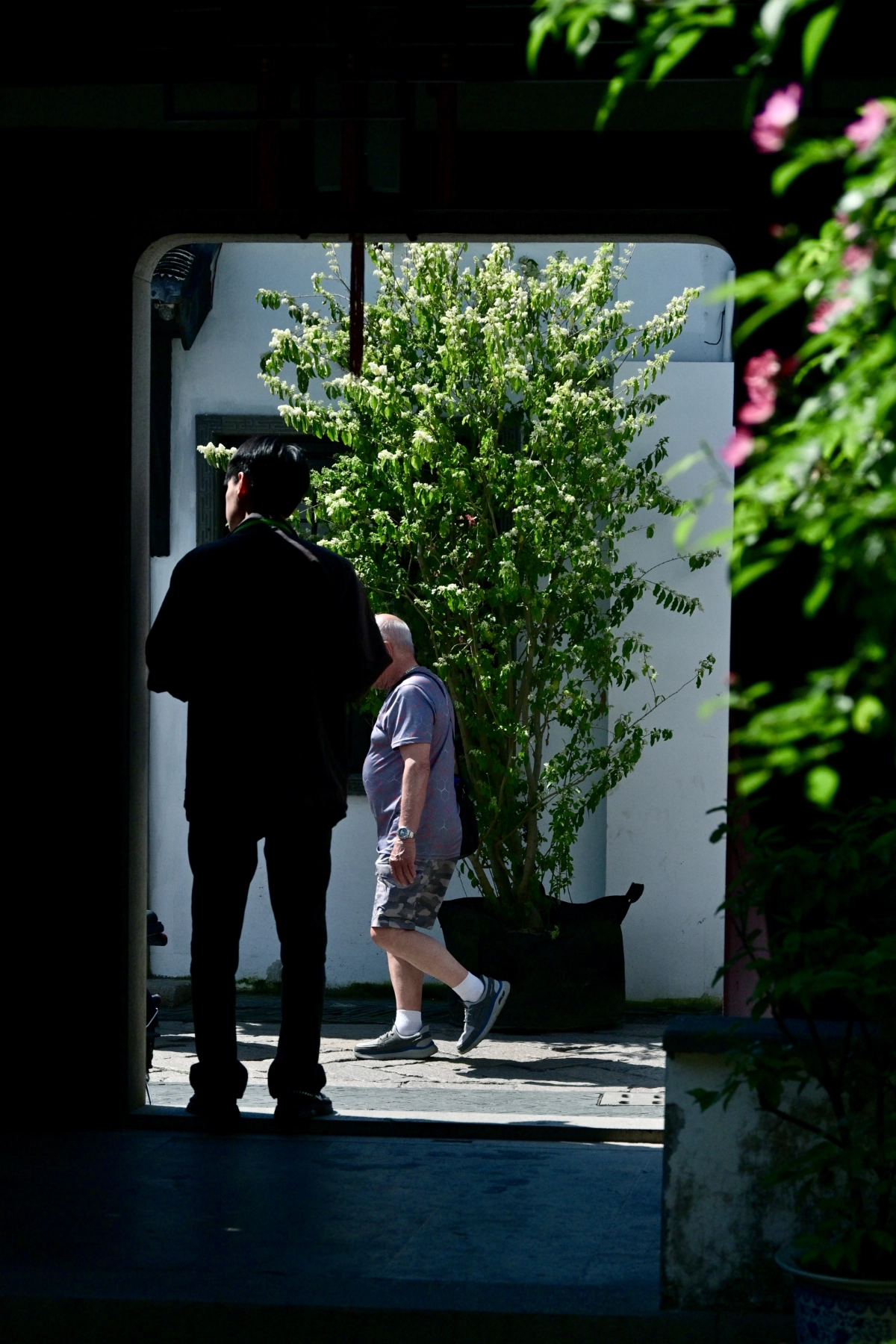
Its name evokes the ideal of the fisherman-recluse; layers of earlier sites and lineages underlie a Qing-era plan still legible today in nodes such as the Duck-Shooting Veranda, the Pavilion of the Moon and Wind, and the Late Spring Studio (Dianchun Yi)—each tuned to water, borrowed views, and carefully rationed depth.
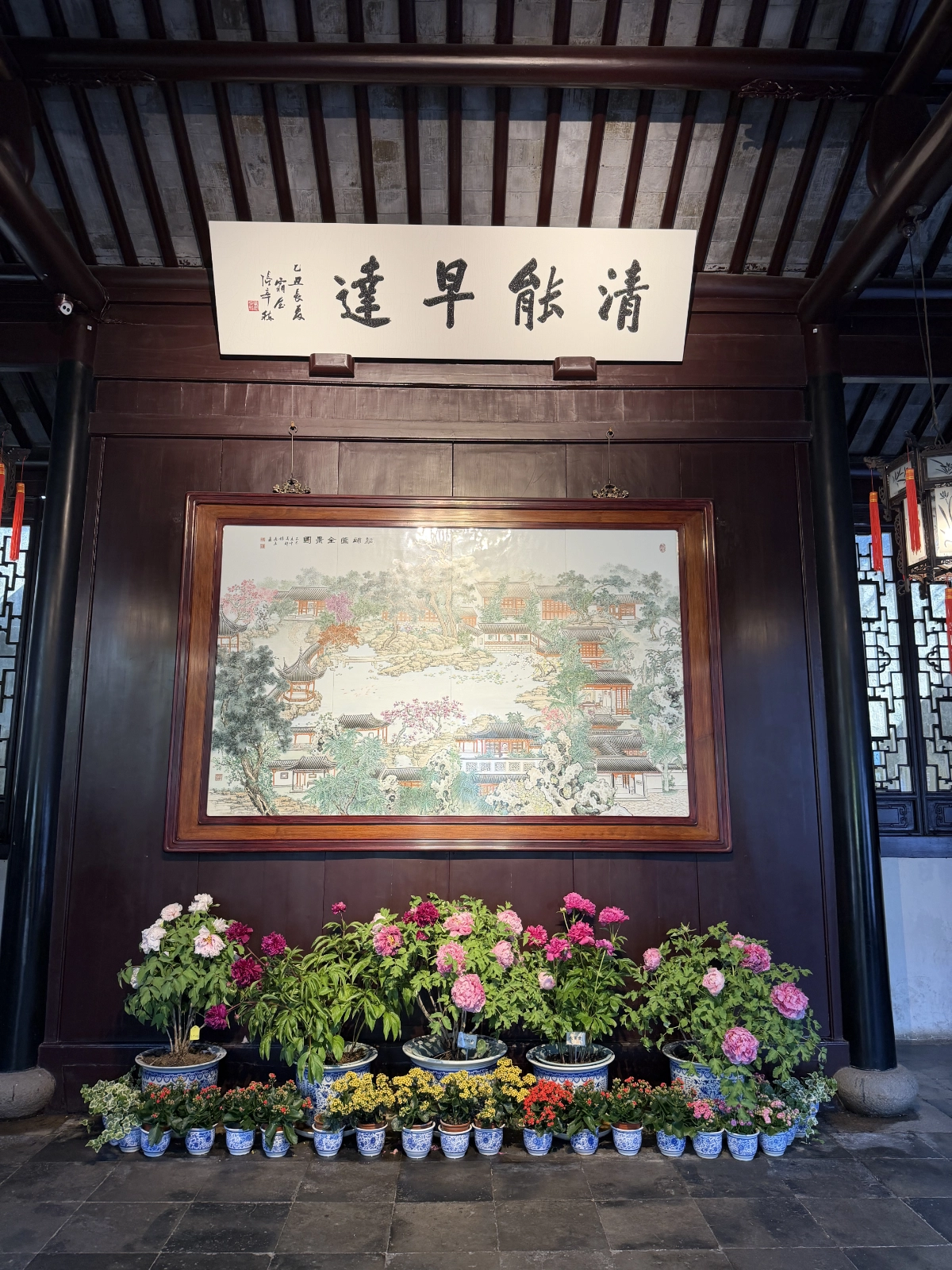
Listed among the Suzhou classical gardens on the World Heritage Register, it has also served abroad as a model for study and adaptation—proof of how a miniature Jiangnan scroll-garden can distill urban refuge, literati ritual, and craft precision in one living composition.