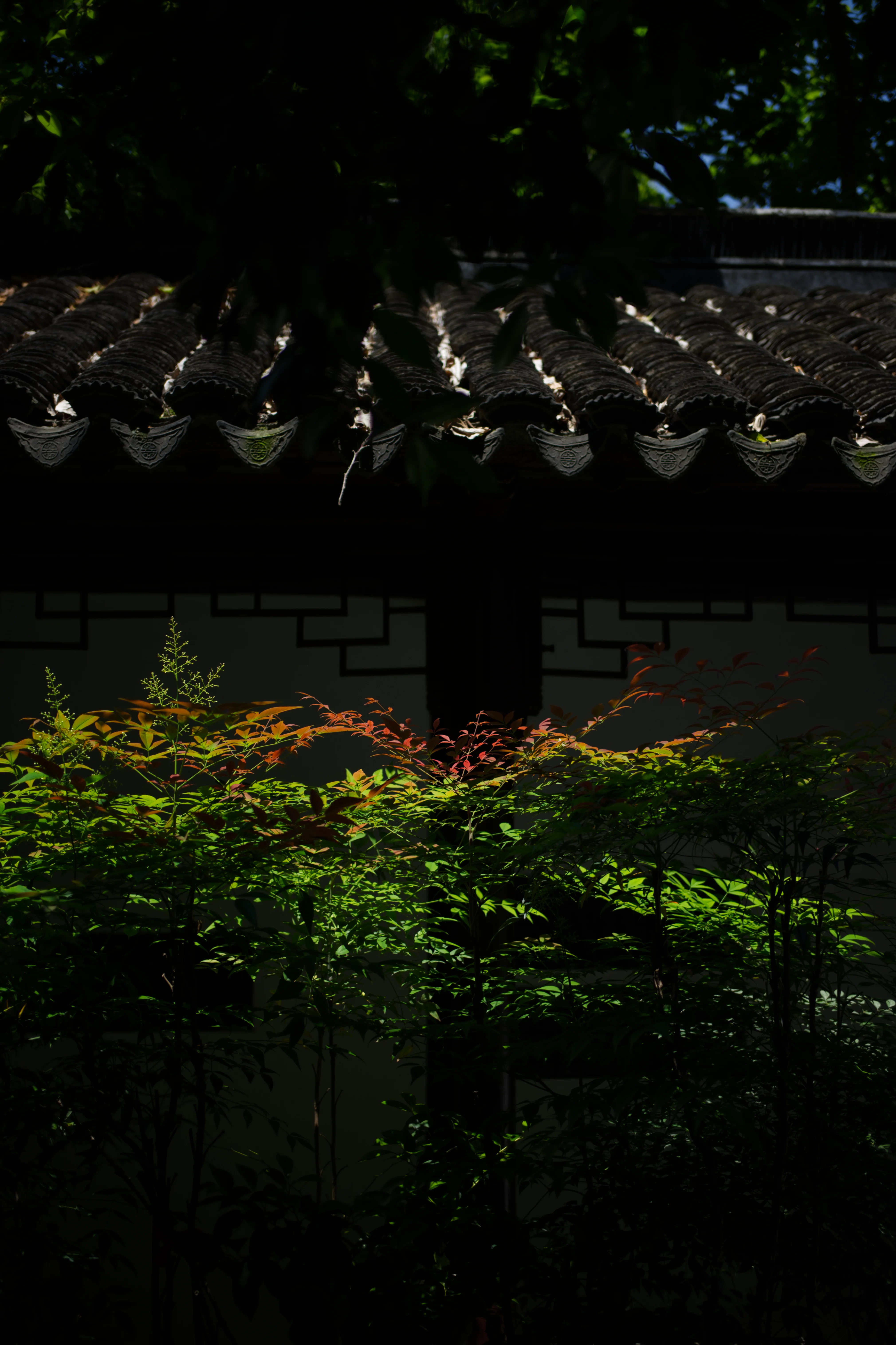
Dinghui Temple & Twin Pagodas
Dinghui Si / Shuang Ta
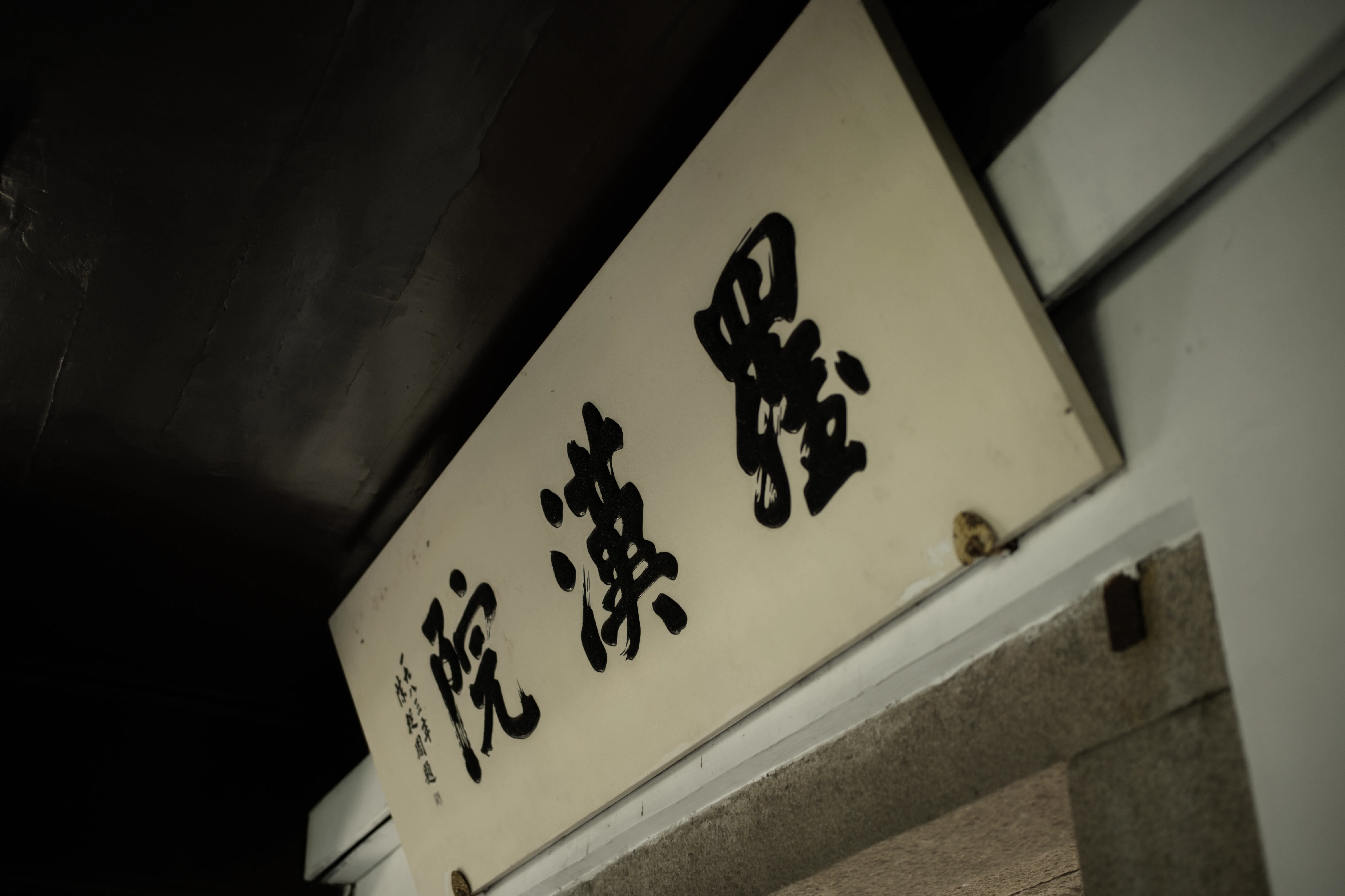
The Dinghui Temple is located in Dinghui Temple Lane in the southeastern part of the ancient city of Suzhou. Its history can be traced back to the Tang Dynasty. During the Xiantong era (860–874), it was established as a subsidiary courtyard of the Prajna Monastery by Sheng Chu. During the Wuyue Kingdom under the Qian family in the Five Dynasties period, it remained part of the Luohan Monastery. In the Yongxi era (984–987) of the Northern Song Dynasty, it was renamed the Western Courtyard, and in the Dazhong Xiangfu era (1008–1016), it was granted the imperial name Dinghui Chan Temple, formally separating from the Shouning Wansui Chan Temple (Twin Pagodas Temple). At the end of the Yuan Dynasty, the temple was destroyed by war. During the Hongwu era of the Ming Dynasty, monks Zezangshan, Jingxin, and Huize successively rebuilt it. In the ninth year of the Xuande era (1434), it received donations from Suzhou Prefect Kuang Zhong, and in the second year of the Zhengtong era (1437), the Mahavira Hall was rebuilt. By the early Kangxi era of the Qing Dynasty, the temple had gradually fallen into disrepair. In the eleventh year of Kangxi (1672), monk Daxiu settled there, and local resident Tang Yaoren donated funds to rebuild the Guanyin Hall and renovate the main hall and Maitreya Hall. In the sixteenth year of the Daoguang era (1836), local gentry including Gu Yuan raised funds for repairs. From the tenth year of Xianfeng (1860) to the second year of Tongzhi (1863), it was destroyed by war. In the third year of Tongzhi (1864), monk Benxiu and his disciples raised funds to repair the Ksitigarbha and Heavenly King halls. In 1926, monk Lingxin once again led fundraising efforts, and the temple continues to endure to this day.
The Twin Pagodas are one of the most iconic landmarks in the ancient city of Suzhou. Under the ancient city preservation plan, most buildings within the city walls are kept below the height of a three-story pagoda—approximately 24 meters—thus creating a visual linkage between the North Temple Pagoda, Ruiguang Pagoda, Twin Pagodas, and Tiger Hill Pagoda, forming a beautiful visual corridor that transcends three-dimensional space. Suzhou is not merely a city of gardens; it is also dotted with numerous ancient pagodas: Tiger Hill, the Twin Pagodas, Ruiguang Pagoda, and the North Temple Bao’en Pagoda… These pagodas constitute the unique skyline of the ancient city and serve as an essential element in the literary image of “Suzhou” penned by generations of scholars.
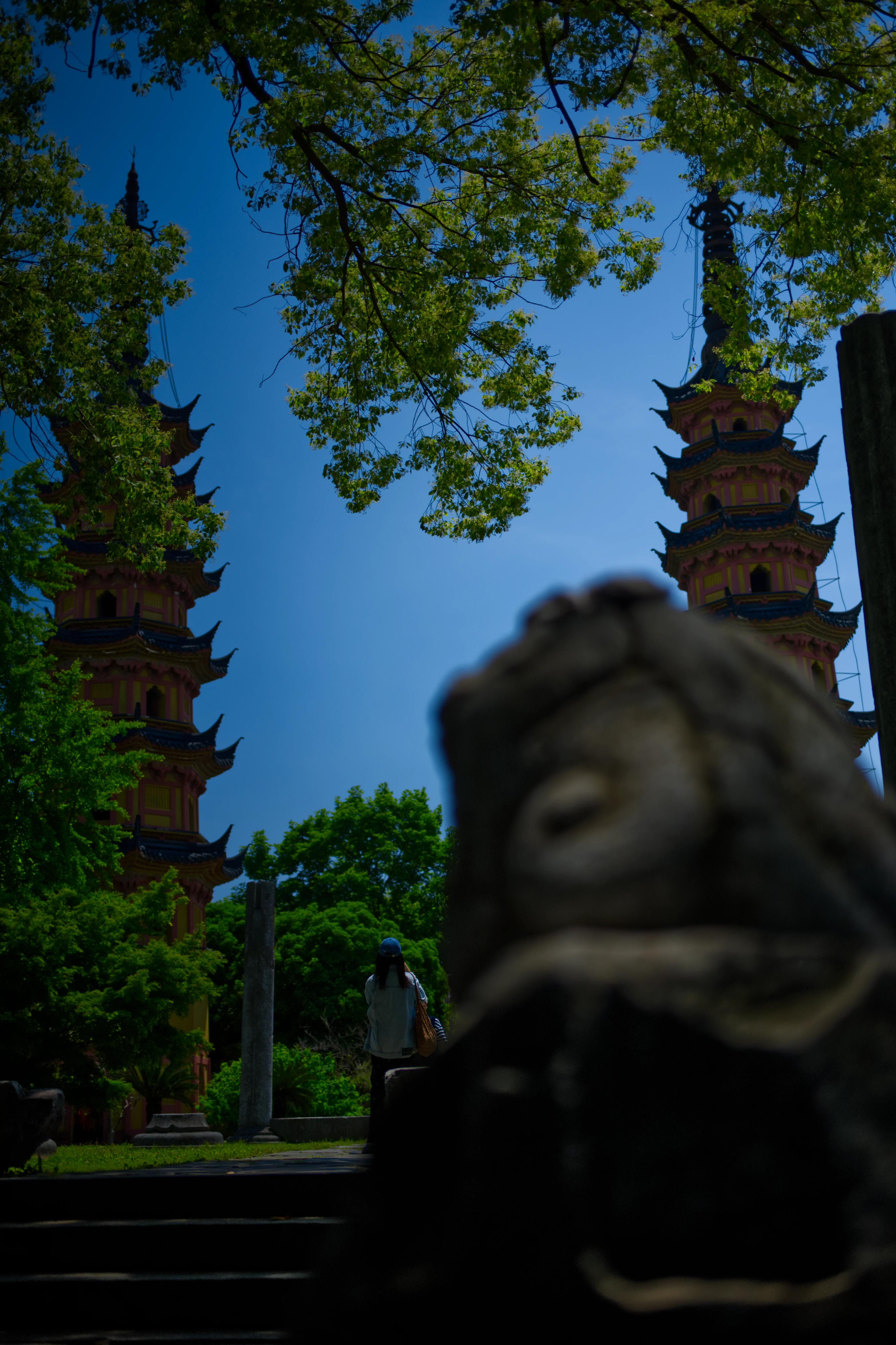
Shuangta Subdistrict is located in the southeastern corner of the ancient city of Gusu. It was the site of the “Zicheng” — the royal palace of the Wu Kingdom during the Spring and Autumn period — and is renowned for its rich cultural heritage, earning the moniker “the study room of paradise.” The crisscrossing lanes and alleys within its jurisdiction represent the historical cultural threads of a thousand years. Dinghui Temple Lane is one of the core alleys in this district, housing the Dinghui Temple (Twin Pagodas Temple). It connects to the Wuwang Bridge to the west, with ancient bridges densely scattered and waterways crisscrossing the area—a quintessential miniature of the “small bridges, flowing water, and household dwellings” scenery. The Wuwang Bridge, located east of the Twin Pagodas Temple, was first built in the third year of the Guangshun era of the Later Zhou Dynasty (953), with Dinghui Temple Lane situated to its west, still retaining a rich historical atmosphere to this day.
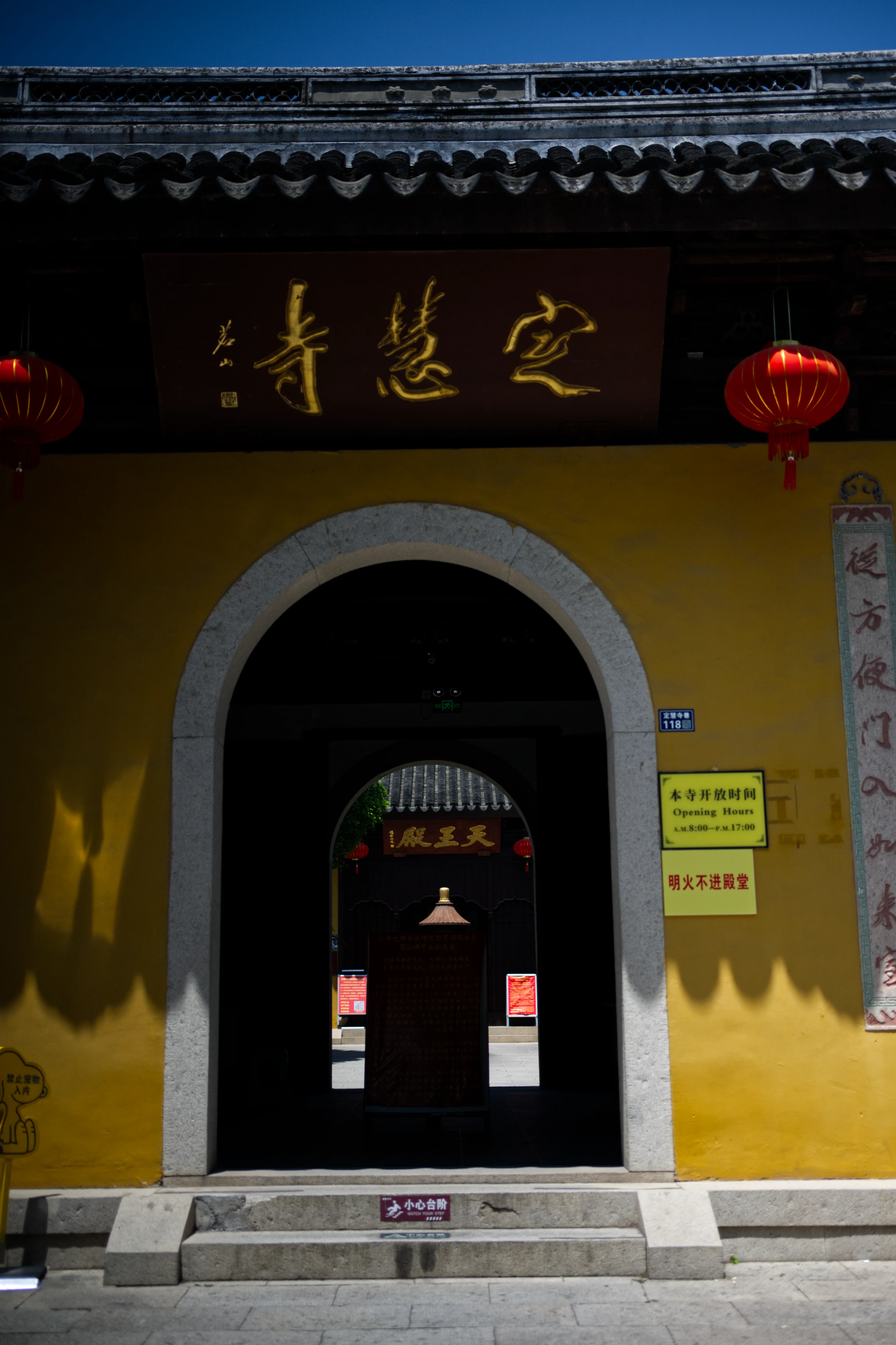
From the Prajna Monastery’s subsidiary courtyard in the Tang Dynasty, to the Dinghui Chan Temple in the Song Dynasty, and through repeated destruction and reconstruction across the Yuan, Ming, and Qing dynasties, the Dinghui Temple and the Twin Pagodas have witnessed over a thousand years of rise and fall in the ancient city of Suzhou. They represent not only the heritage of Buddhist architecture but also an integral part of the spatial layout and visual memory of the ancient city. From the banks of the Wuwang Bridge to the ancient city skyline, the Dinghui Temple and Twin Pagodas remain the most serene and steadfast guardians of the southeastern corner of Gusu.